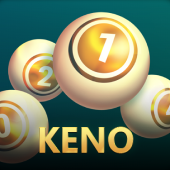



How a Keno number round works
At a high level, Keno asks players to make a number selection and then compare it with a draw. The exact number range, selection limit, draw procedure and payout mapping are specific to the version shown in the game, so use its own rules panel as the definitive guide.
Before selecting, find out how many numbers may be chosen, whether the game offers quick-pick controls, when a selection is locked, and how the result is settled. Confirm any minimum or maximum stake and read how prizes correspond to matches. Do not infer these details from another Keno title.
Keno Demo and first-look questions
A Keno Demo may be available only if the current listing includes an explicit practice option. Check the screen rather than assuming that demo play is supported. A practice mode can help explain controls, but its results do not predict real-money rounds or provide a reliable selection method.
- Read the number pool and selection limits.
- Understand when a pick becomes final and how the draw is shown.
- Check the paytable, round cost and any stated payout conditions.
- Look for a labelled demo only if you want to practise navigation.
Keno is a chance-based game. A number that has appeared often or rarely in previous rounds is not thereby more likely to appear next. Treat every selection as uncertain and never use a pattern claim as a reason to raise your stake.
When browsing on phpearl, make sure you are viewing the intended Keno listing and the relevant version's current instructions. Clear rules are more useful than guesses about the draw.